Making laundry
smart
ROLE
UX Designer
TIMELINE
2022, 4 weeks
TOOLS
Figma (Wireframing, Lo & Hi )
Miro (Idea generation)
Google Form (Interviews)
Arduino IDE (IoT Coding )
TEAM
Individual Project
Nikhil Thomas (Designer)
client
Settl is a co-living brand with 30+ properties across India, offering fully furnished spaces, on-site laundry, cleaning, and other amenities for working professionals. At Settl Hallstatt, laundry services are provided in a shared area with 2 washing machines and 5 drying racks serving ~25 residents.
challenge
Settl residents faced two major pain points with laundry: one is the uncertainty about machine availability until arriving at the laundry space, and the other are the delays when previous loads are left unattended for extended periods
contribution
I led the end-to-end feature design, from uncovering pain points through resident interviews, mapping laundry usage flows, and designing an in-app booking system, to prototyping IoT integration with Arduino and RFID for physical access control.
This project taught how to convert user frustration into tech-enabled solution
what I saw
“Residents showing up to find machines occupied
or clothes left sitting for hours”
what I learned
“No in-app laundry support. The frustration wasn’t in doing laundry, but in the uncertainty before even starting”
what i proposed
“A smart laundry feature within the Settl app with live availability, booking, and notifications, backed by IoT access control”
Overview
Settl residents faced recurring laundry access issues, from uncertainty about machine availability to delays caused by unattended clothes. The goal was to integrate a smart laundry system into the existing Settl app, using live availability, booking, and IoT access control to save residents time and improve shared resource use. This meant immersing in resident routines, mapping digital flows, and creating a seamless link between physical machines and the app.



The process
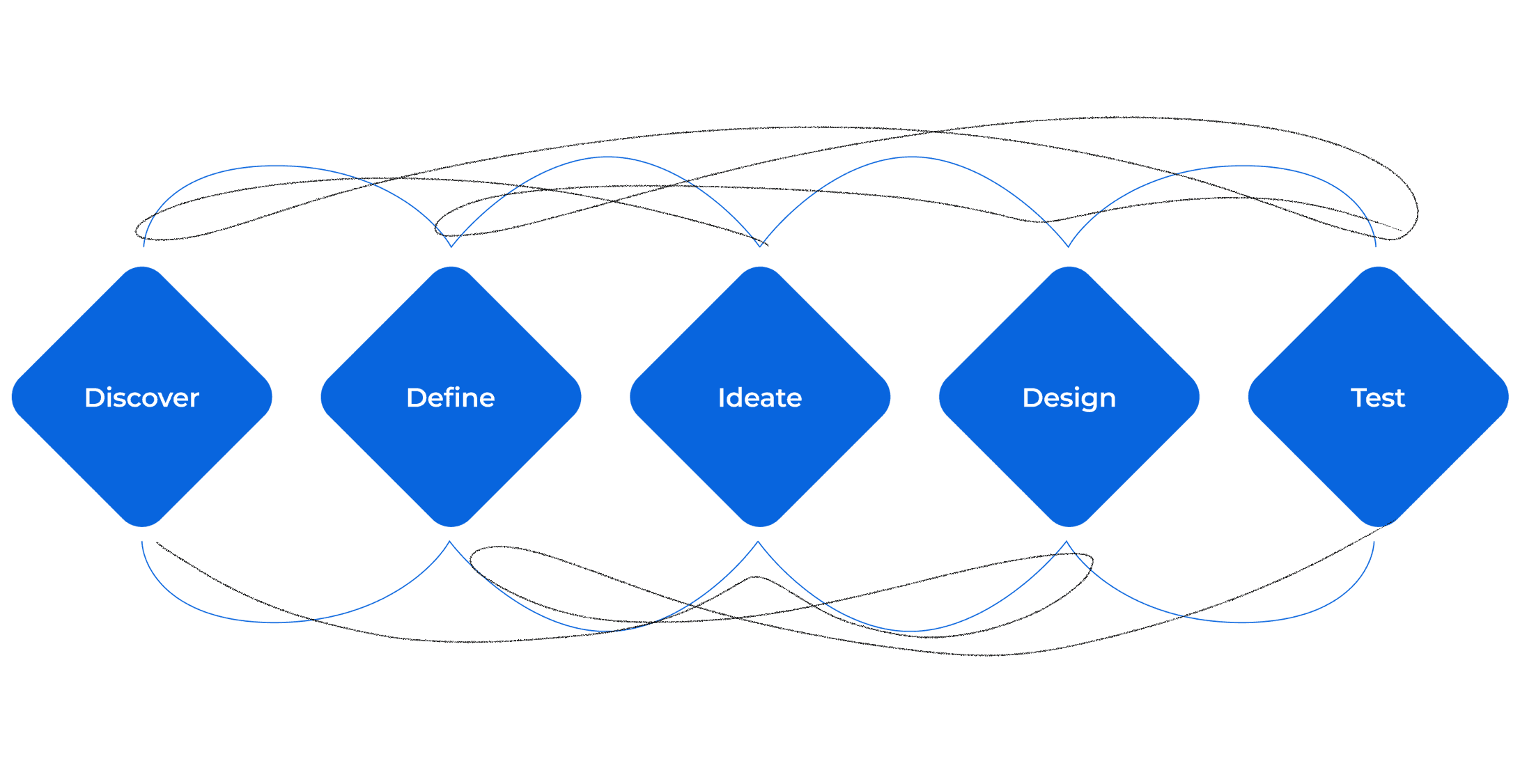
I followed the Design Thinking methodology while allowing for iteration and feedback at every stage. This non-linear approach helped me adapt to new insights and refine the solution to fit residents’ needs.
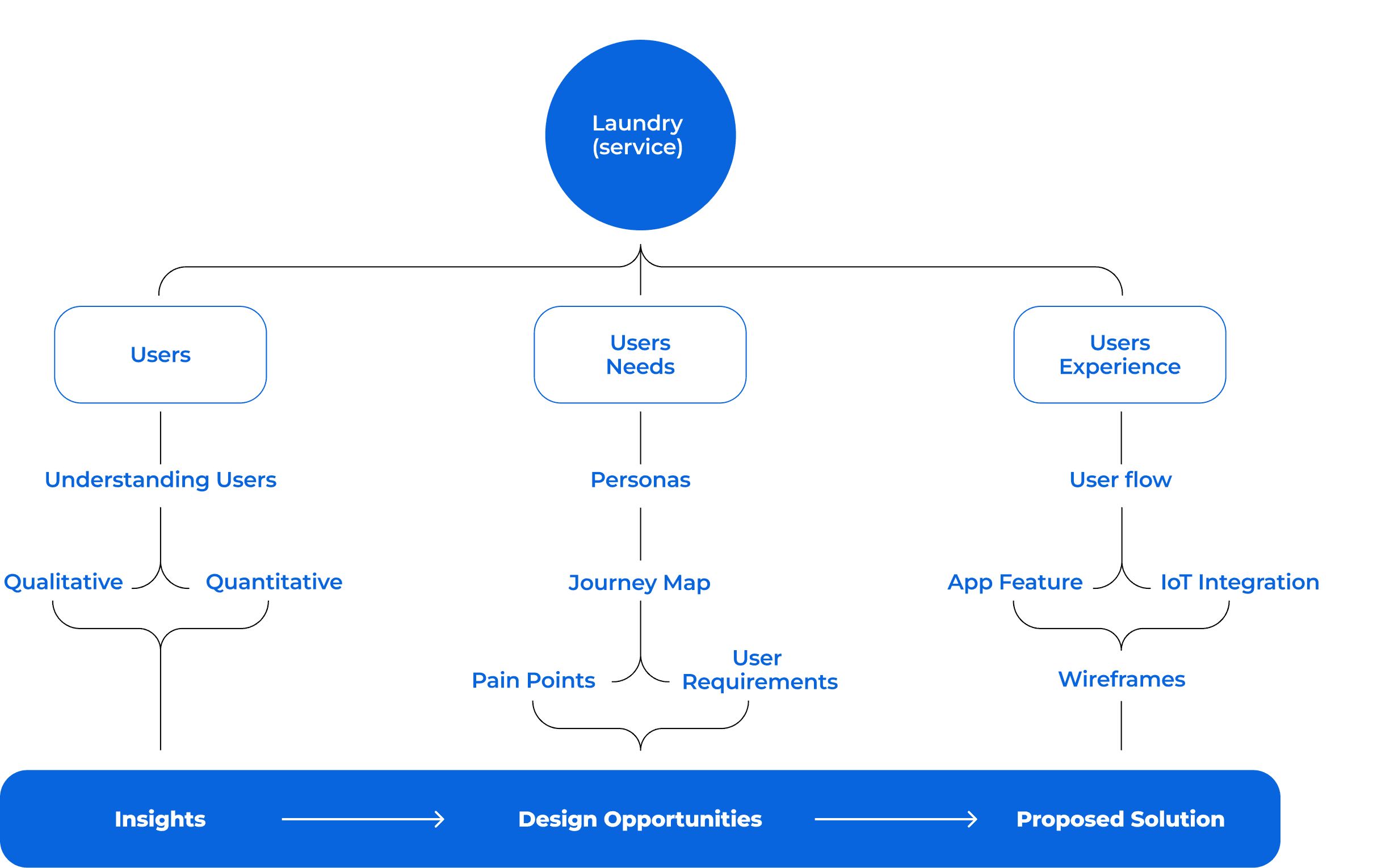
While Design Thinking provided the overall structure, I needed a more practical framework to guide decisions within this project. The second map is a zoomed-in view, breaking down how I moved from understanding residents’ habits to defining user needs and designing solutions. This ensured each step stayed actionable and directly tied back to user research
Understanding the problem
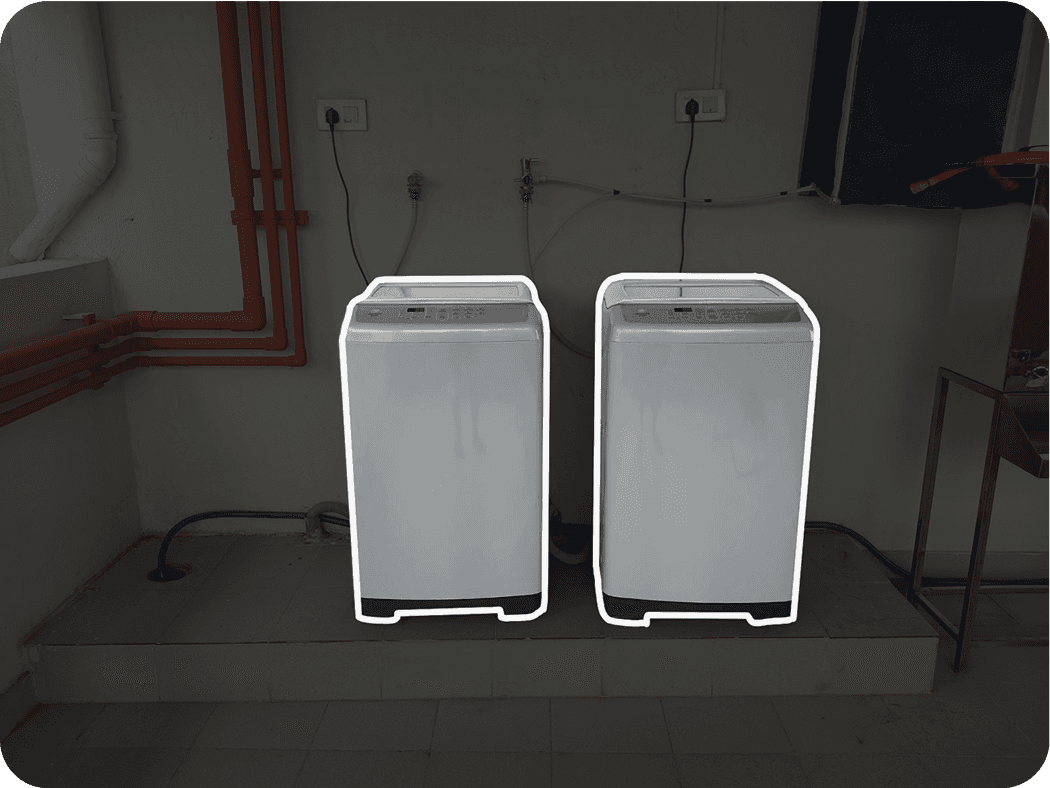
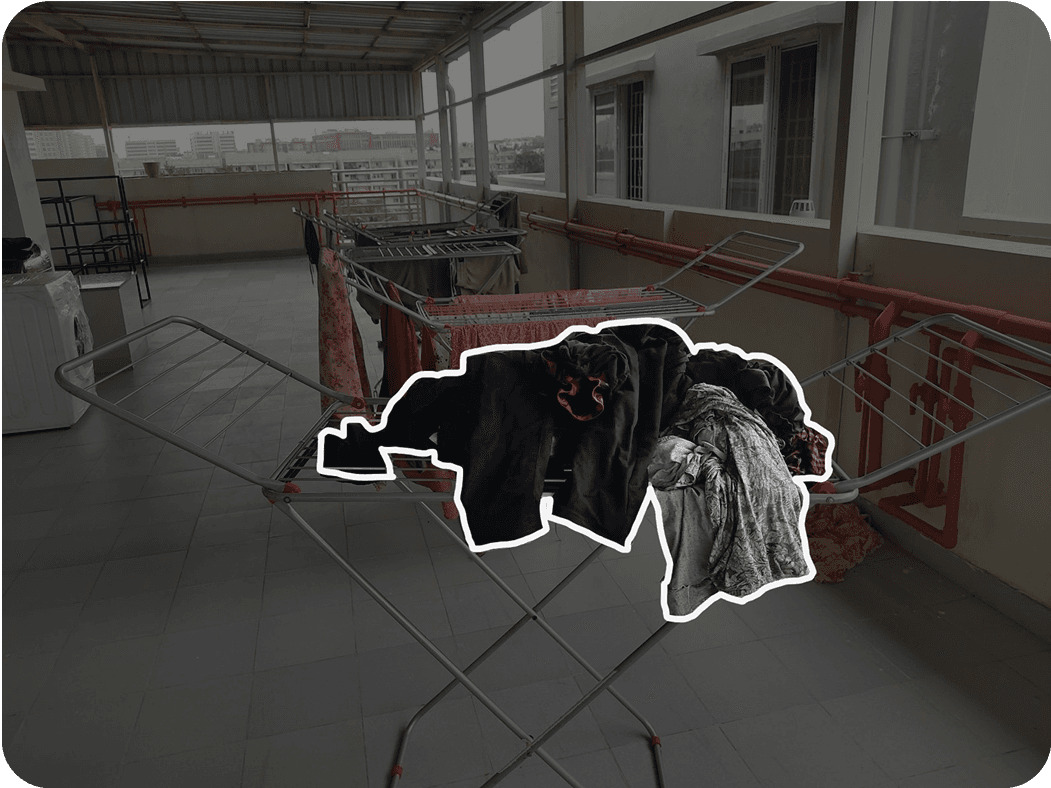
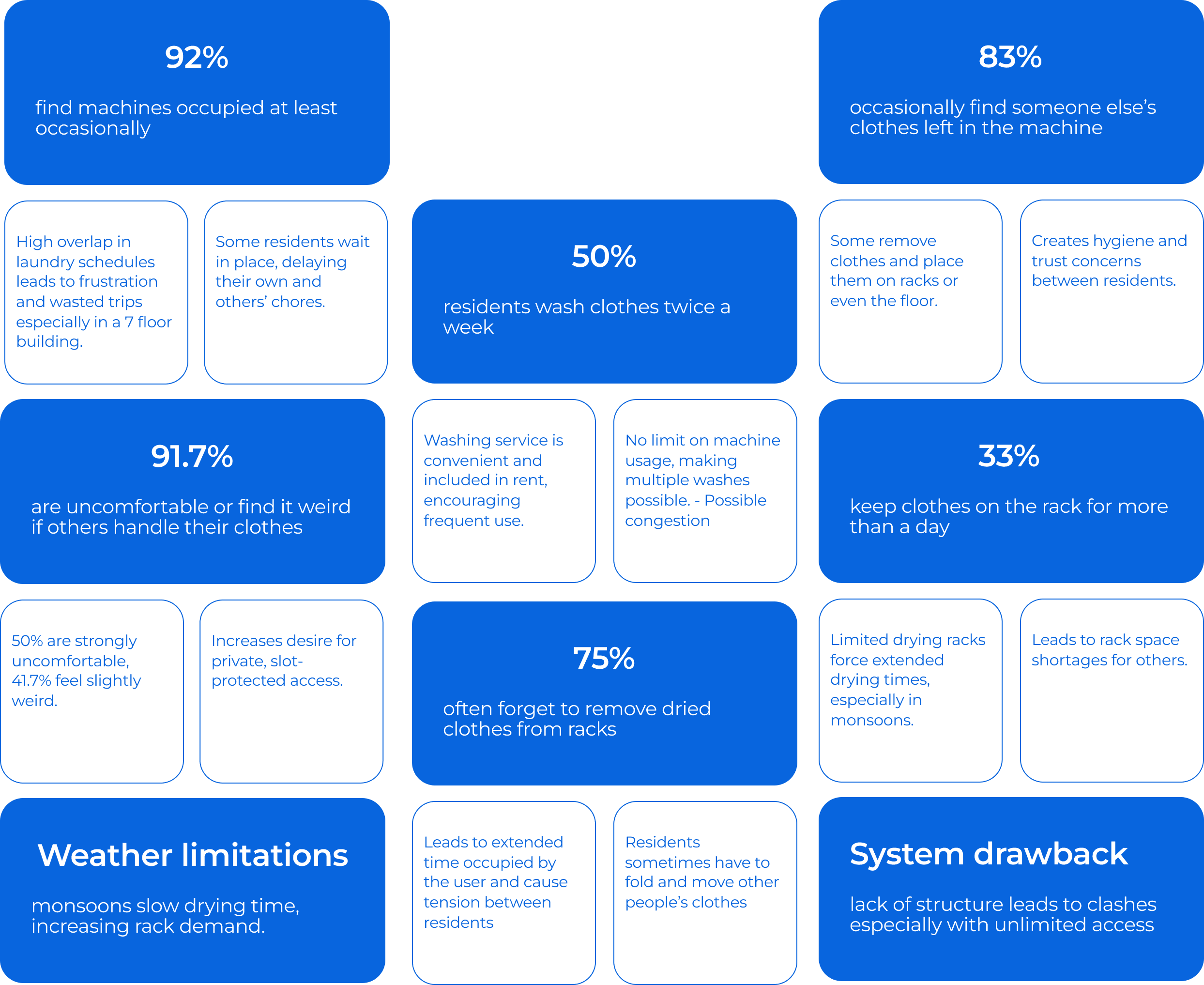
At SettI Hallstatt, a 7-floor residential building, I combined observational research with resident interviews and surveys to uncover daily frustrations around shared laundry. Residents often climbed several floors only to find machines occupied. I was able to capture both the visible inefficiencies and the hidden emotions that made laundry a strenuous chore . The lack of laundry feature in the Settl app was a major gap in addressing these challenges
Findings & Insights
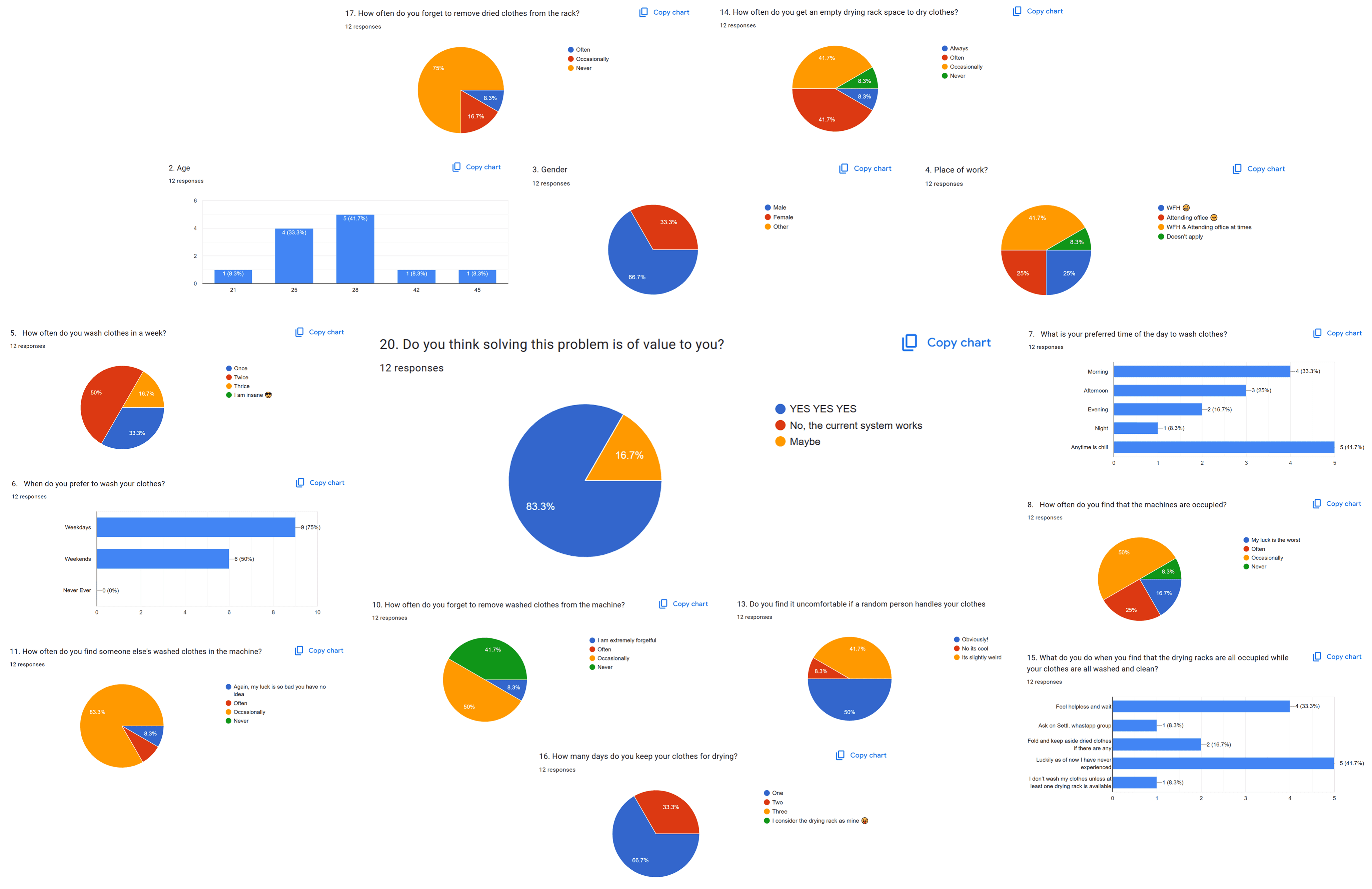
Through a mix of surveys, interviews, and observational research, several clear patterns emerged around laundry usage at SettI Hallstatt. Overall, the data showed that the biggest frustrations weren’t with washing itself, but with access, coordination, and accountability in a shared system. These insights became the foundation for defining user requirements.
User Persona
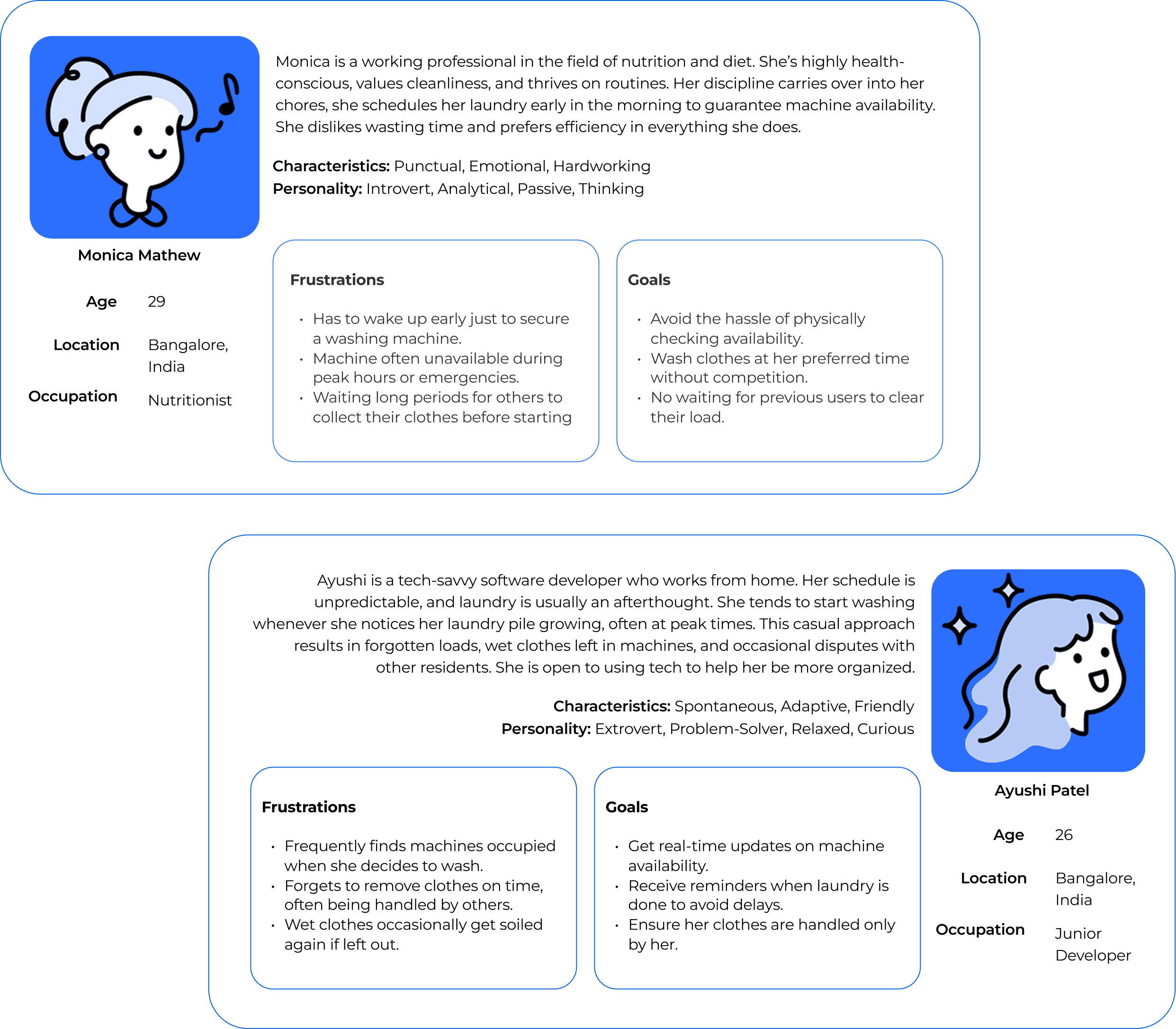
To better understand resident behaviors and frustrations, I created personas based on interviews and survey data. These personas capture two contrasting laundry habits: a disciplined planner who values efficiency, and a busy professional who often forgets or delays chores. Together, they highlight different needs and pain points, guiding the design toward solutions that balance structure with flexibility
User Journey Map
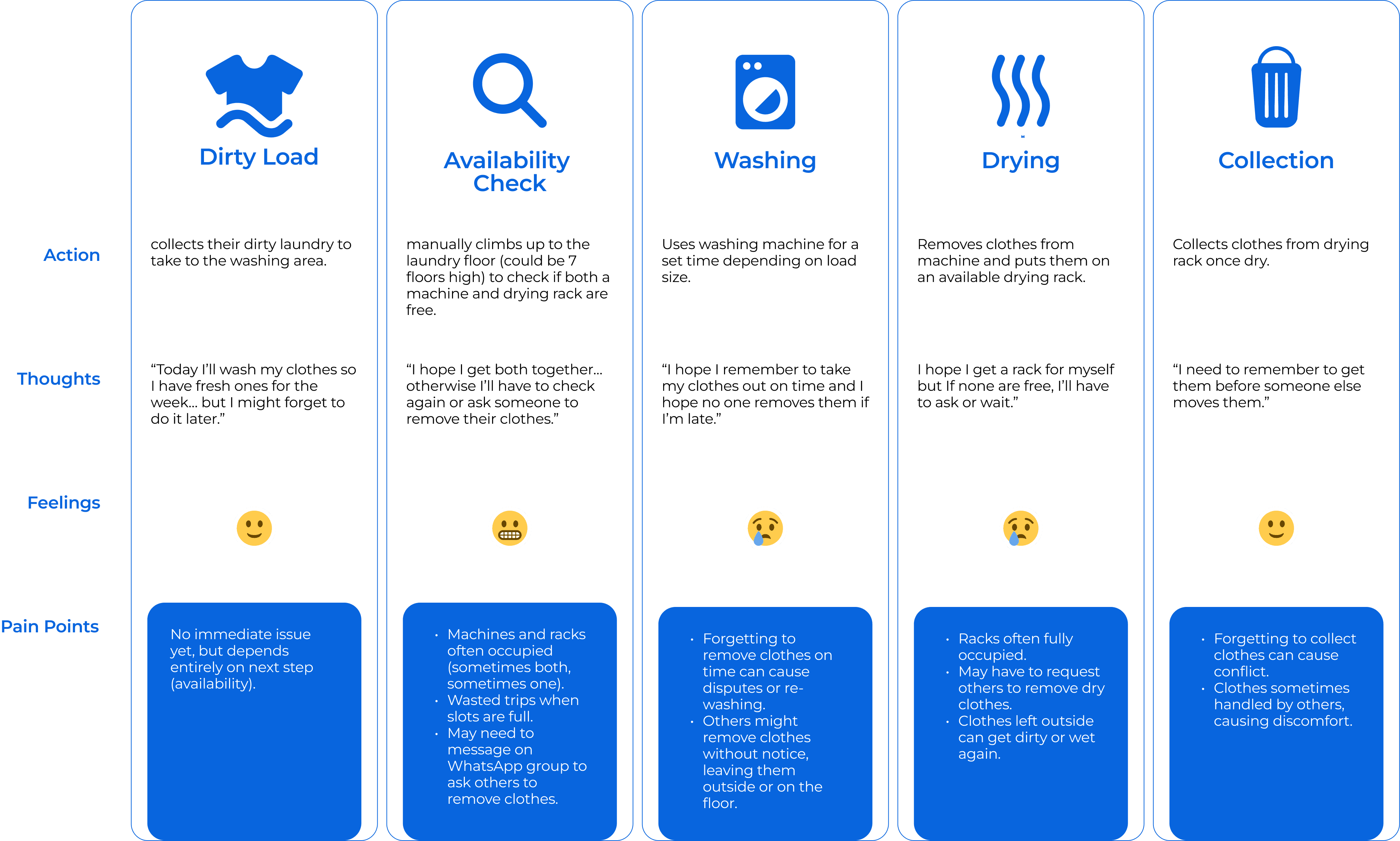
I mapped the end-to-end laundry journey to uncover where frustrations occur most often. While the process begins smoothly, key friction points arise during machine and rack availability, washing reminders, and drying collection. Residents frequently face wasted trips, disputes over unattended clothes, and delays in finishing chores. These recurring pain points highlighted opportunities for designing a solution that reduces uncertainty and conflict
User-flow
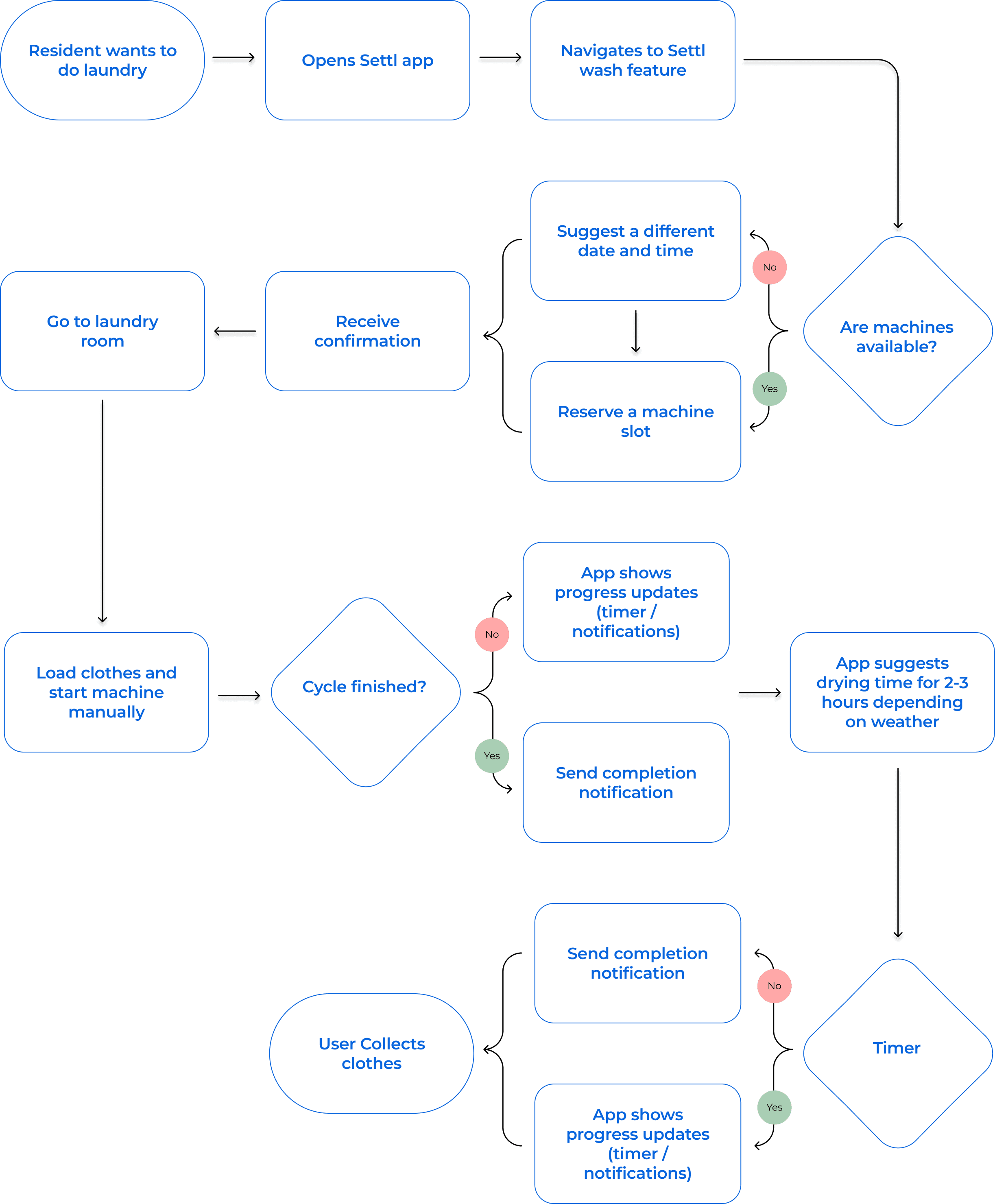
The user flow illustrates how residents will interact with the new Settl Wash app feature to manage their laundry. Instead of making wasted trips, users can now check live availability, reserve a machine and drying rack together, and receive progress updates. Notifications ensure they don’t forget loads, while weather-based suggestions optimize drying time. By embedding this flow in the app, laundry becomes efficient and reliable.
IoT Integration
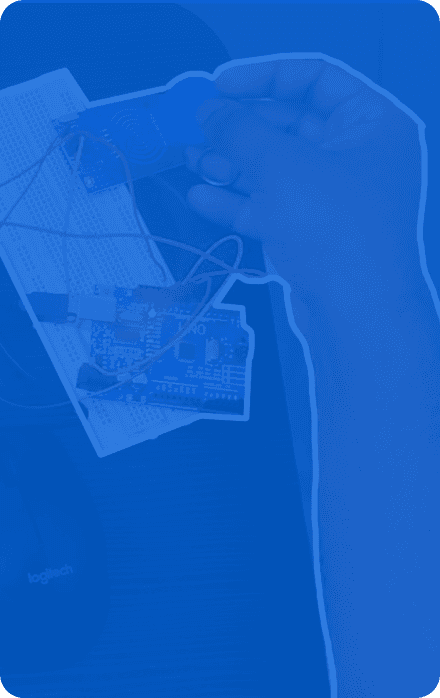
To connect digital booking with physical access, I prototyped an IoT solution using Arduino and RFID. The RFID chip, similar to a key fob, works as a secure access key, only the resident with a valid booking can unlock the washing machine. If the user prefers digital access, QR codes can be used for secure machine access. This ensures fair use, reduces conflicts, and creates a seamless link between the Settl app and the physical laundry machines..
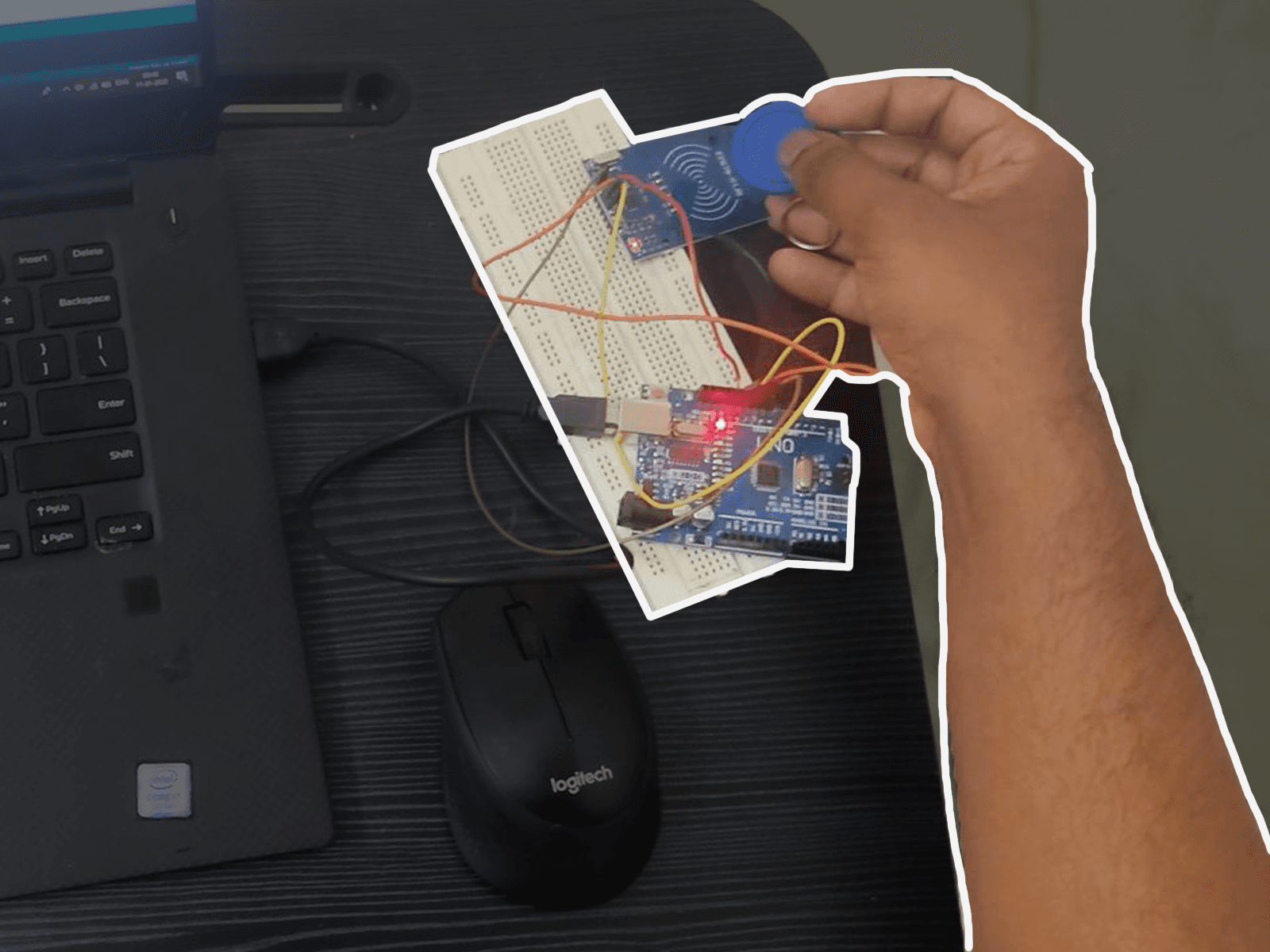
Note - This was tested at a proof-of-concept level and can be scaled into smart locks for multiple machines
Evolving the Navigation
To integrate the new laundry feature, I reviewed the existing SettI app navigation and reorganized it for better usability. By merging overlapping sections, prioritizing high-frequency tasks, and reordering icons based on usage patterns, I created a cleaner and more meaningful navigation structure.
Current Settl App

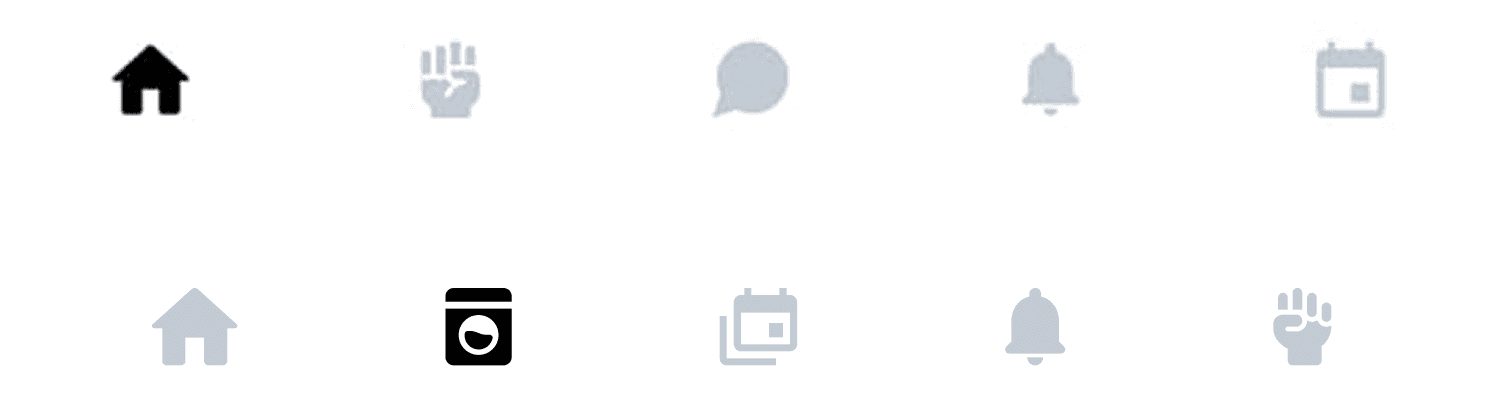
For the new laundry feature (bottom), I merged Announcements into Notifications to cut choice overload, then reordered tabs so high-frequency tasks sit in the easiest thumb-reach zones (Home, Laundry, Events), while lower-frequency ‘Issues’ moves to the edge
Wireframes
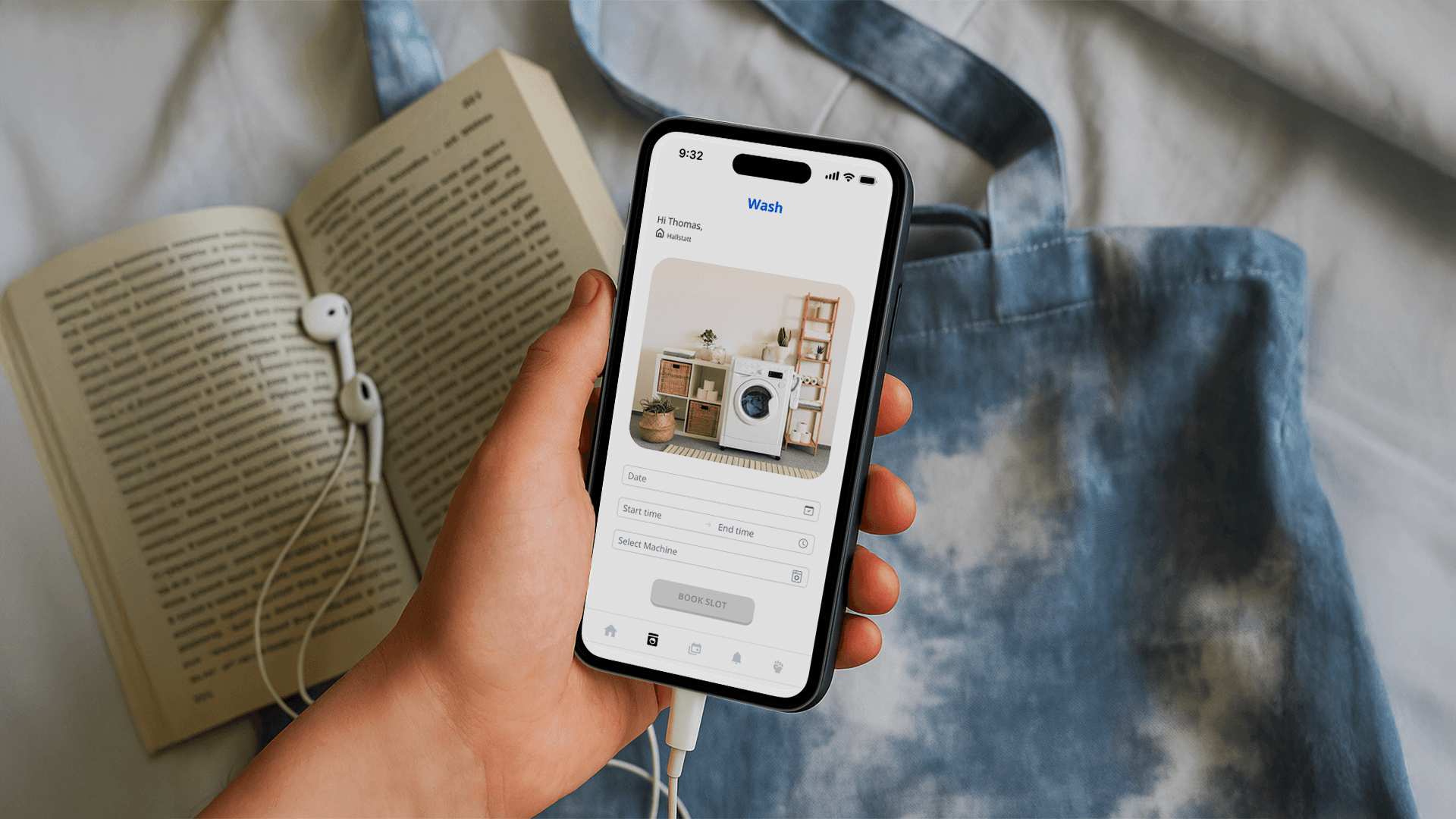
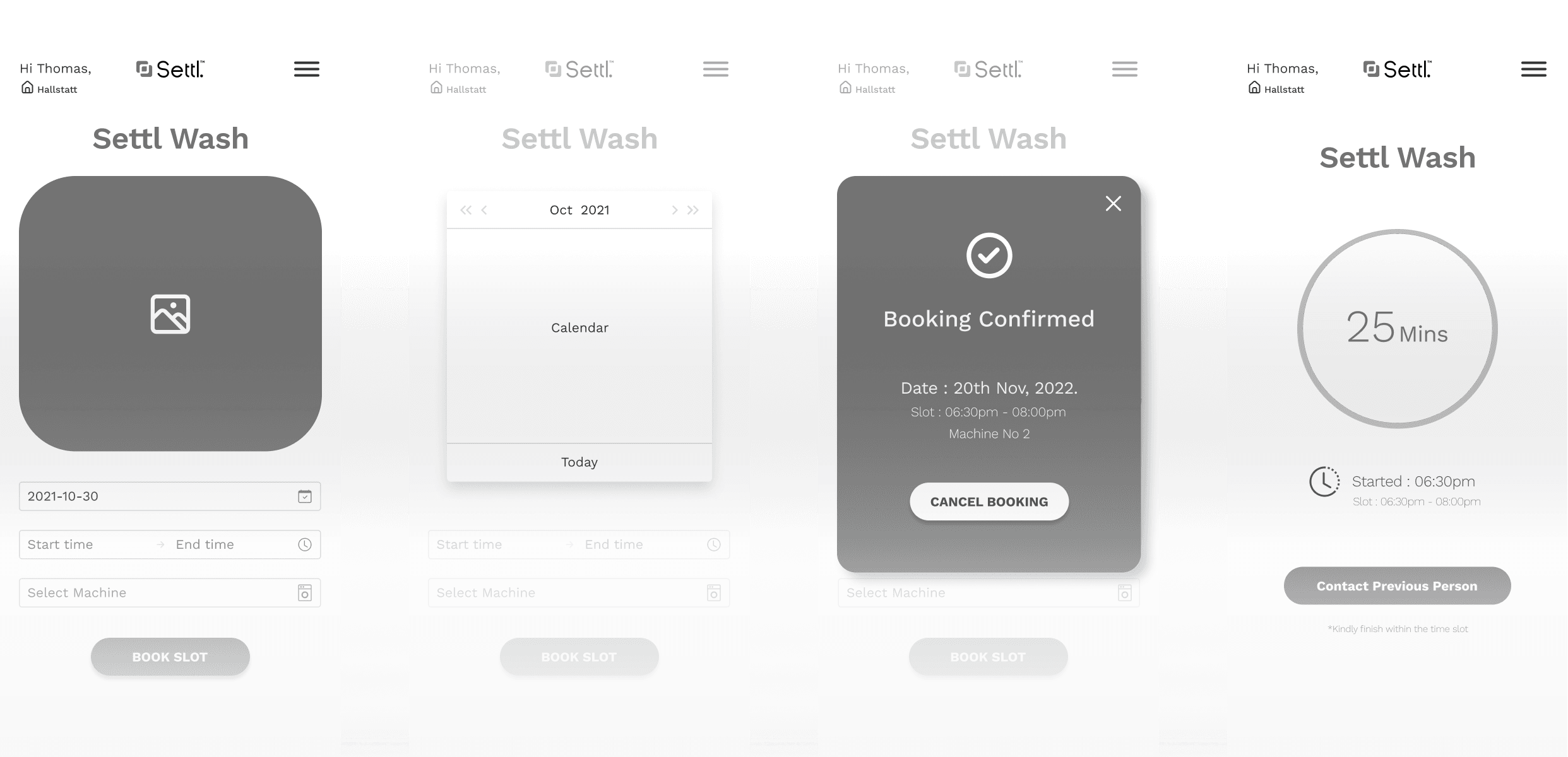
The wireframes explored how residents would interact with the new laundry feature inside the Settl app. I focused on simplicity, clear hierarchy, and a step-by-step flow: selecting a machine, choosing a time slot, confirming a booking, and tracking wash progress. These low-fidelity screens helped validate the core interactions before moving into detailed design
Final Design
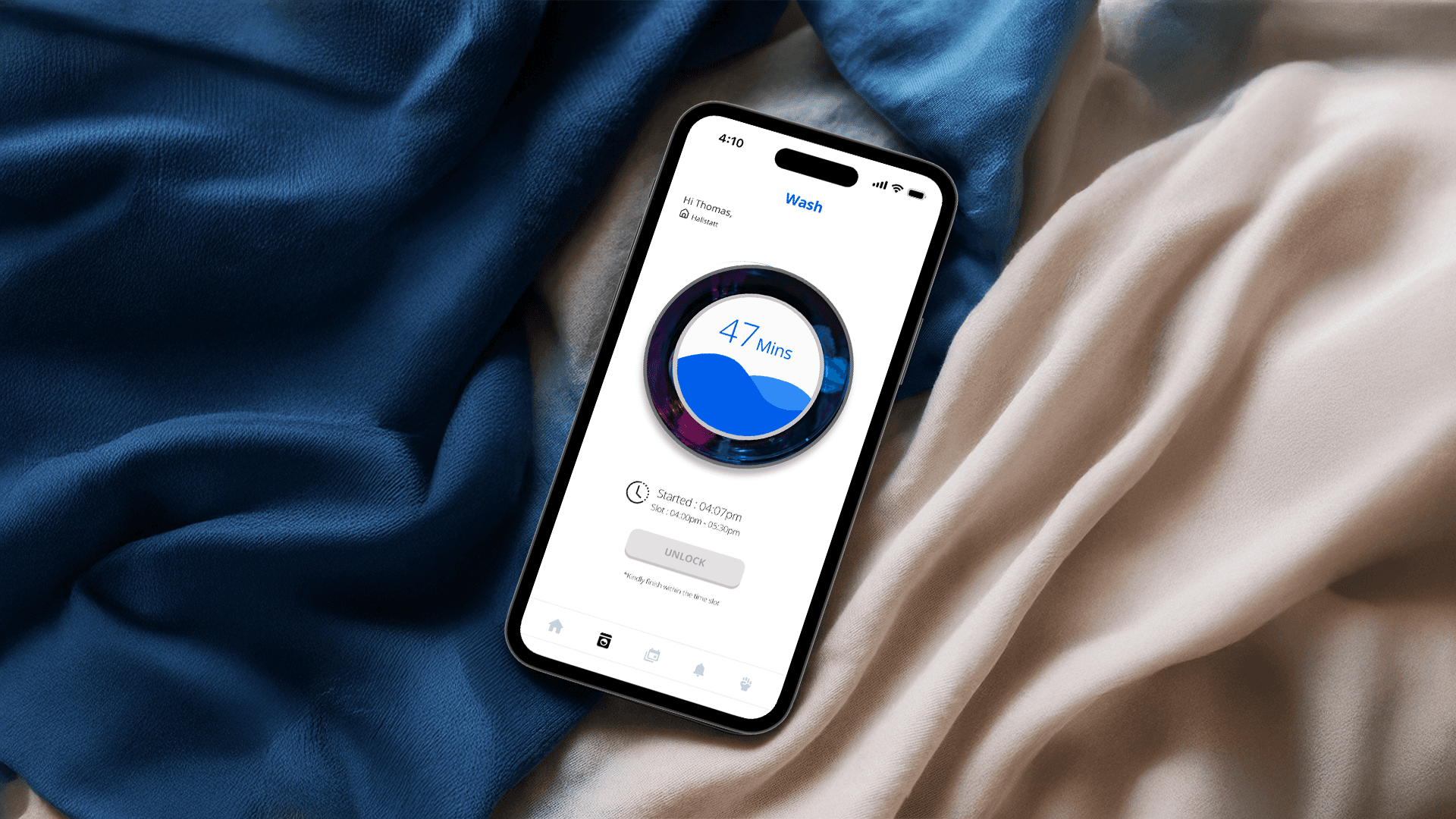
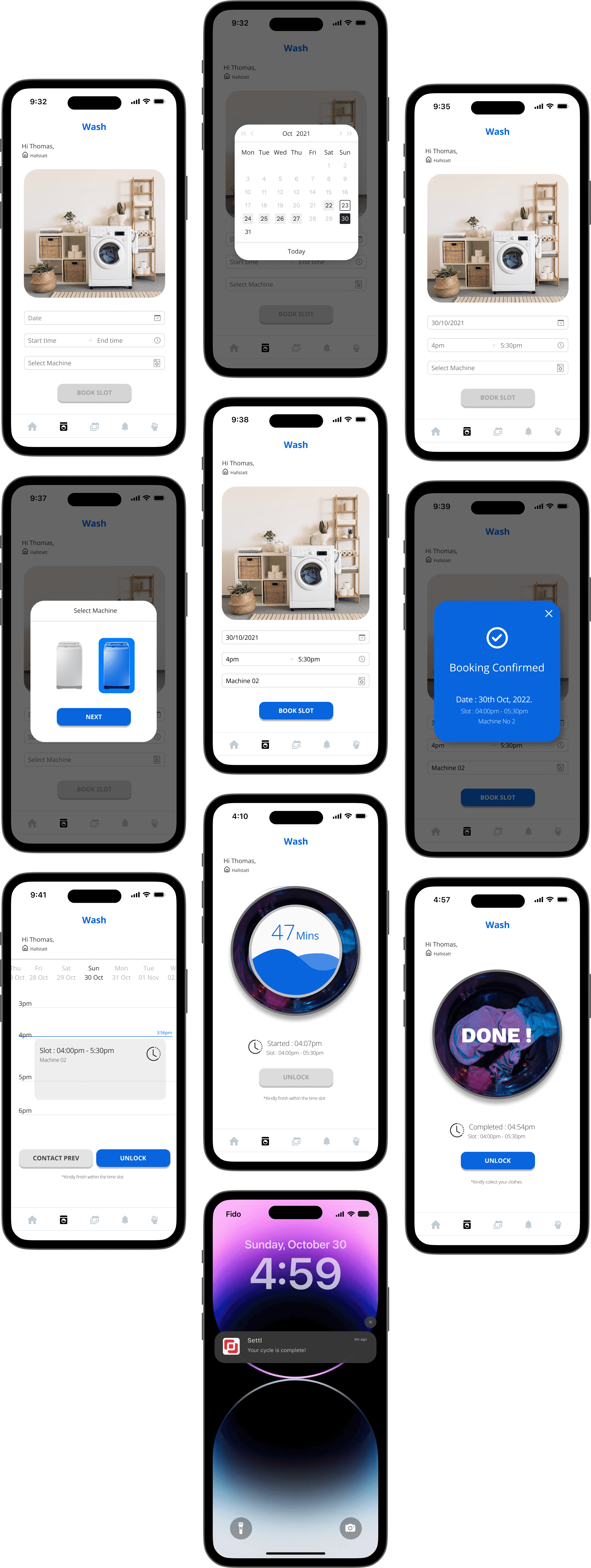
The solution is a laundry feature addition within the existing Settl app. I used a blue-and-white palette to make the laundry feature stand out while still tying back to Settl’s original app. A new “Unlock” button lets users access machines via QR code or key fob. After each wash, the app prompts 2-3 hours of drying time (with reminders instead of locks), helping structure the laundry cycle and reduce rack conflicts.
Learnings
Designing within constraints
I learned how to add a new feature to an existing app without disrupting its core structure
Bridging digital and physical
Working with IoT (Arduino + RFID) taught me how app flows connect with real-world systems.
Prioritizing user needs
Resident interviews reinforced the importance of designing for both convenience and fairness in shared spaces.